What to check before you book a polaris dune buggy dubai desert drive
Booking a desert drive is easy enough. Choosing the right details before you pay is what makes the day smoother. A polaris dune buggy dubai experience depends on more than the vehicle name. Terrain, driving rules, safety kit, timing and booking terms all shape how the outing feels. The points below keep the decision practical, whether this is a first desert drive or a return trip with a different route in mind.
Confirm the vehicle type and driving setup
Start with the machine itself. A dune buggy can feel very different from an all-terrain vehicle, even when both are used off-road. Check whether the booking is for a single-seat, two-seat or shared vehicle, and make sure that matches the number of people who plan to drive or ride. If two people want to take turns, confirm that both are allowed and whether any driving experience is required.
It also helps to ask what kind of route the vehicle is intended for. Open desert sand, firmer tracks and steep dune sections place different demands on the drive. A clear description gives a better sense of whether the outing suits someone who wants a steady ride or a more active drive.
When comparing options on dune-buggy-dubai.net, focus on the details that affect the day itself: vehicle layout, passenger numbers, driving requirements and the general style of the route. Those details are more useful than a broad promise of adventure.
Check who is allowed to drive and ride
Age and licence rules are worth checking before anything else is settled. Requirements can vary by vehicle type, route and local operating rules. A driver may need a valid licence, and some vehicles may not be suitable for young children or passengers with certain physical limitations. If the group includes mixed ages, this is the point where problems are easiest to avoid.
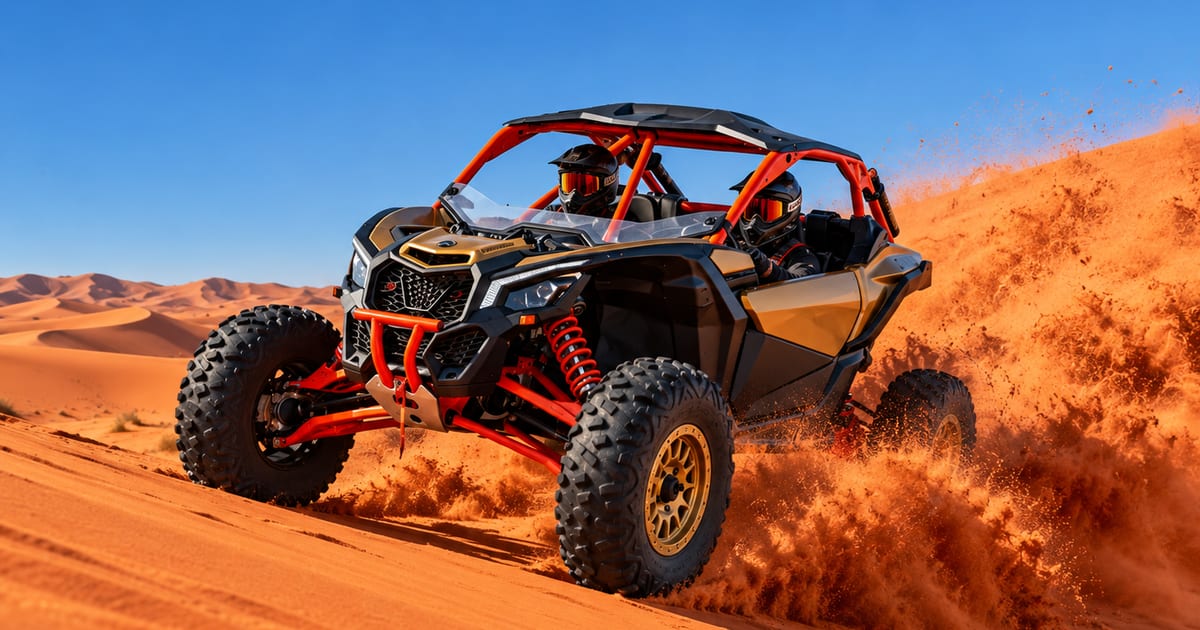
Be clear about who will actually be behind the wheel. If one person expects to drive and another expects to sit beside them, say so at the booking stage. It is also sensible to check whether identification is needed on the day. Missing documents can turn a planned departure into a wasted journey.
- Driver eligibility: Confirm age, licence and identification requirements, because rules can differ between vehicle types.
- Passenger rules: Check seat numbers, child suitability and whether passengers need to meet any height or safety conditions.
- Shared or private use: Ask whether the vehicle is shared with other guests or reserved for the group, since that changes the pace and comfort of the ride.
Look closely at the safety gear and briefing
Safety gear should be part of the booking conversation, not an afterthought on arrival. Ask what protective equipment is provided and what riders should bring themselves. Helmets are the obvious starting point, but eye protection, gloves and suitable clothing can matter in a desert setting where dust, sun and loose sand are part of the experience.
A short briefing should cover how the vehicle works, how signals are used, what to do if the group stops and how to behave around other vehicles. This does not need to be technical. It does need to be clear enough that a first-time rider knows what is expected before leaving the starting area.
Pay attention to the wording around supervision. A guided tour can help less experienced drivers stay on a suitable line and keep pace with the group. A more open ride may feel freer, but it also asks more from the driver in terms of judgement and awareness. Neither option is automatically better. The right choice depends on confidence, group size and how much structure the day needs.
Understand the route, pace and desert conditions
The Dubai desert changes through the day. Sand can be cooler and firmer earlier, while midday heat changes how both people and vehicles cope. Sunset timing can be attractive, but it also brings more demand and shorter visibility later on. Ask when the drive starts, how long it lasts and whether there are stops built into the route.
Route style matters just as much as duration. Some outings focus on a relaxed stretch through open sand with photo stops. Others include sharper turns, dune climbs and a more energetic pace. A polaris dune buggy dubai booking should match the group's comfort level. It is better to choose a calm route and enjoy it than to pick something demanding because it sounds more dramatic.
Weather can also change plans. Strong wind, heavy dust or recent rain can affect visibility and traction. A responsible operator may adjust the route or delay a departure when conditions are poor. Before booking, check whether there is a stated approach to weather changes and how a revised time or route is handled.

Read the booking terms in plain language
The cheapest-looking option is not always the simplest one. Read what is included in the booking and what is left out. Transport to the meeting point, refreshments, photos, entry to a desert camp and extra activities may be included in some packages and not in others. The aim is not to collect extras. It is to avoid assumptions that make the final day feel disappointing.
Cancellation and rescheduling terms deserve careful attention. Desert activities depend on weather, availability and timing, so flexibility can matter. Look for clear rules on what happens if the booking is changed, if the group arrives late or if conditions prevent the drive from going ahead. Vague terms are a reason to ask questions before paying.
On dune-buggy-dubai.net, as with any booking decision, separate the essentials from the extras. The essentials are the vehicle, safety arrangements, eligibility rules, timing and terms. Extras can make the outing feel fuller, but they should not distract from the basic question of whether the drive itself is suitable.
Ask how the day is organised
Good organisation is often visible in small details. Where does the group meet? How long is check-in? Is there a briefing before the vehicle is handed over? Are there clear instructions for stopping, regrouping and returning? These details do not need to be elaborate, but they should be easy to explain.
Transport is another practical point. If the departure point is far from where the group is staying, check whether travel is part of the booking and how long it takes. A desert safari can include a long transfer, and heat or traffic can affect the start of the experience. Knowing the full schedule helps avoid rushing.
Photography and personal items also need a little thought. Loose items can be uncomfortable on a rough route, and phones or cameras may need a secure place. Sun protection, closed footwear and water are sensible choices for a desert outing, especially when the drive is part of a longer day.
Match the booking to the people going
A group of confident drivers, a family with children and a couple looking for a quieter ride will not need the same arrangement. Think about the least experienced person in the group rather than the most enthusiastic one. The vehicle, route and pace should work for everyone who is going, or someone will spend the day feeling out of step.

It is also worth checking how mixed abilities are handled. If one rider wants a gentler drive, ask whether that can be arranged without splitting the group for most of the outing. Clear answers at this stage prevent awkward decisions later.
Make the final comparison on clarity
When two options look similar, the better choice is often the one that explains itself clearly. A useful booking gives the reader enough detail to picture the day: who can drive, what gear is used, where the drive happens, how long it lasts and what happens if plans change. If a point stays vague after reasonable questions, treat that uncertainty as part of the decision.
A polaris dune buggy dubai outing can be straightforward when the basics are checked early. Look past the name on the vehicle and focus on fit, safety, timing and terms. That approach keeps the booking grounded and makes it far more likely that the desert drive itself is the part everyone remembers.